What Does Homeowners Insurance Cover?
In Home InsuranceYou’d be surprised at what your home insurance policy doesn’t cover. Here’s what is and isn’t covered by your insurance.

You’d be surprised at what your home insurance policy doesn’t cover. Here’s what is and isn’t covered by your insurance.
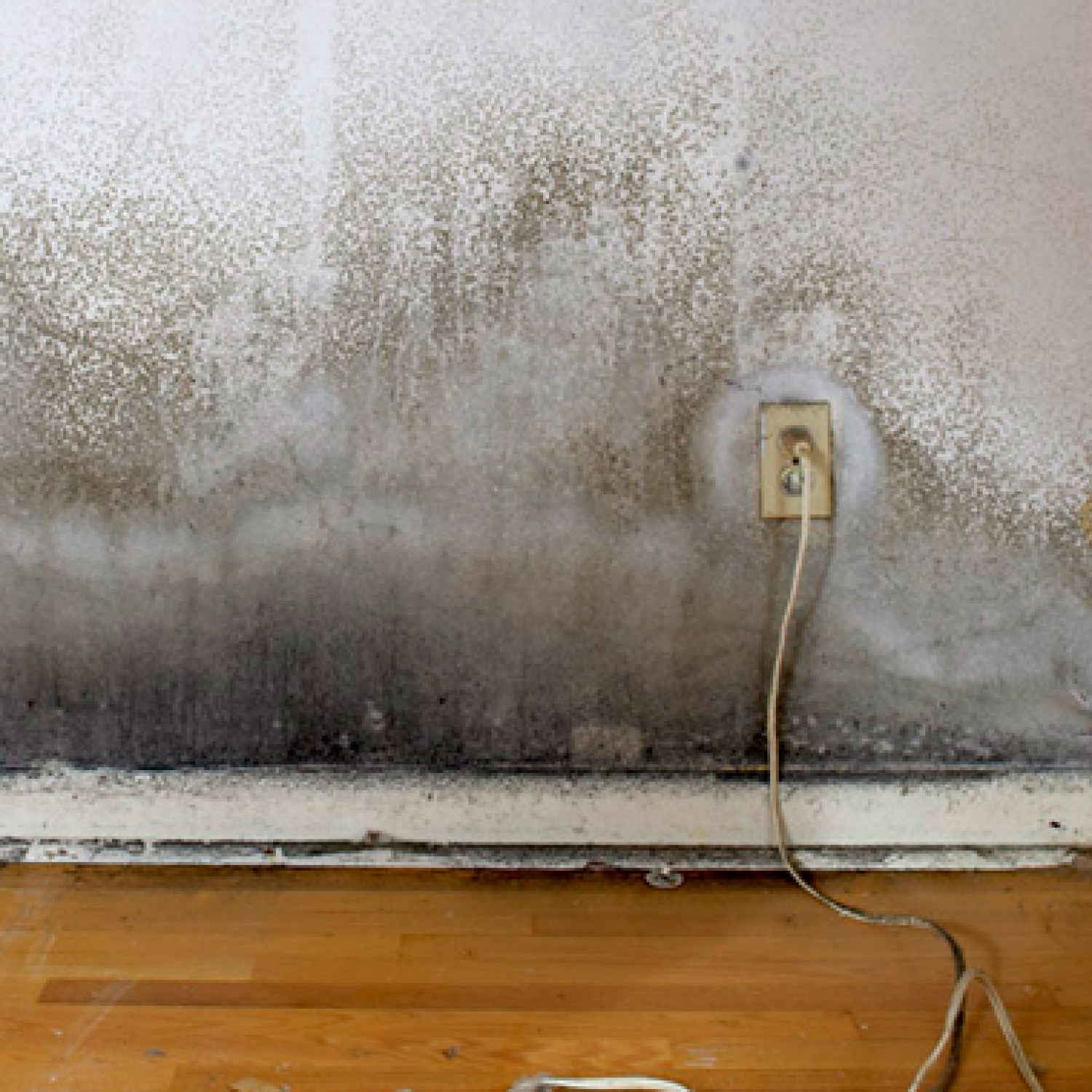
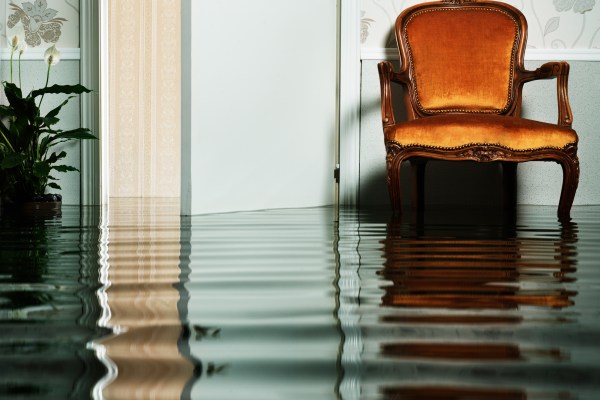
Whether you’re covered often comes down to the source of moisture and the wording of a policy.
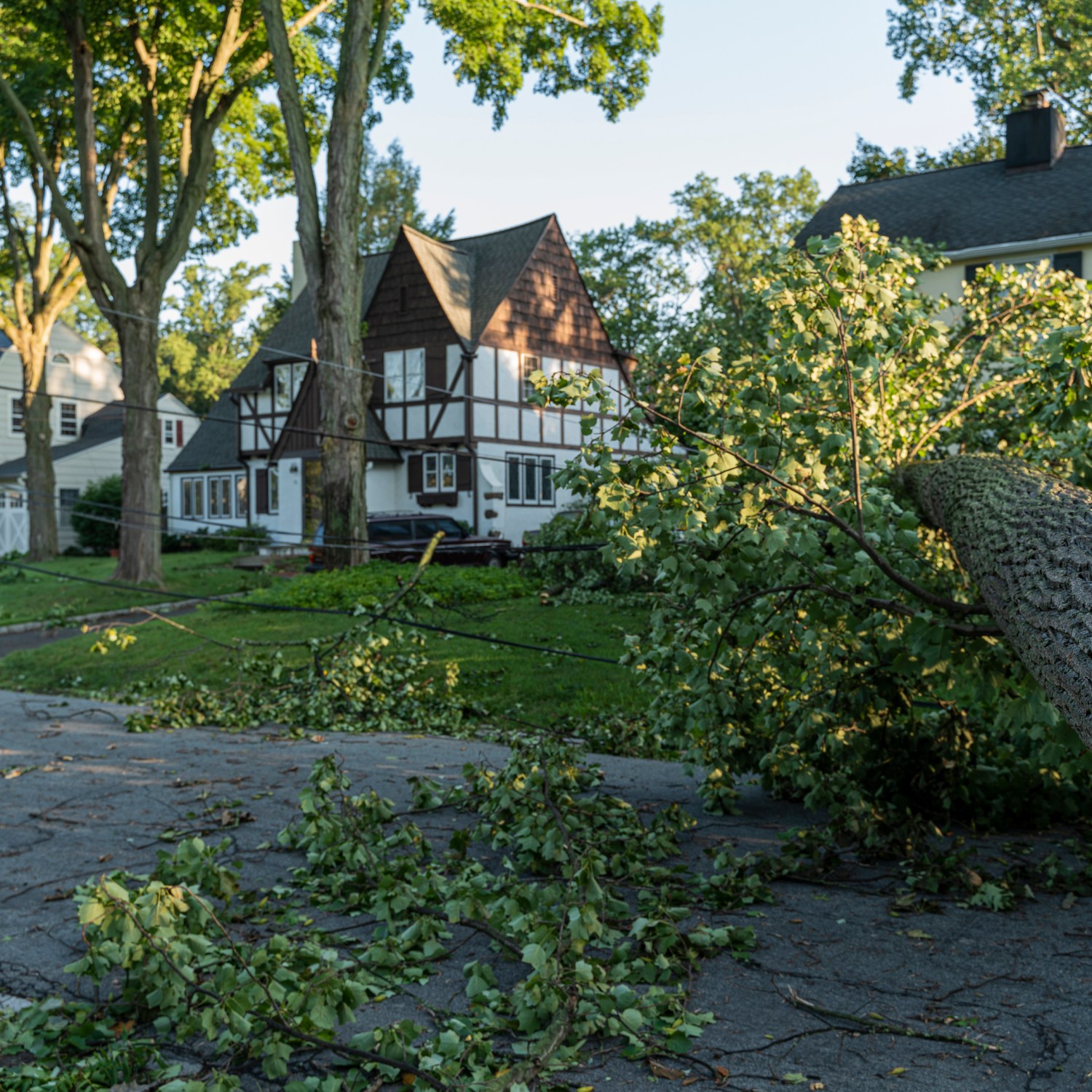
Who pays depends on numerous factors.

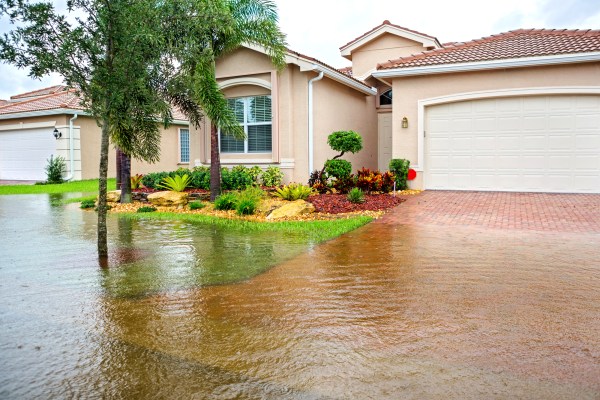
Did you know homeowners insurance doesn’t cover flooding? Here’s what you need to know about the federal flood insurance program.
If you’re renting out your home, it might not be covered by home owners insurance, so look into landlord insurance instead.

Don’t come home to a nightmare and the feeling of being invaded. Here how to stop a house burglary from ever happening.
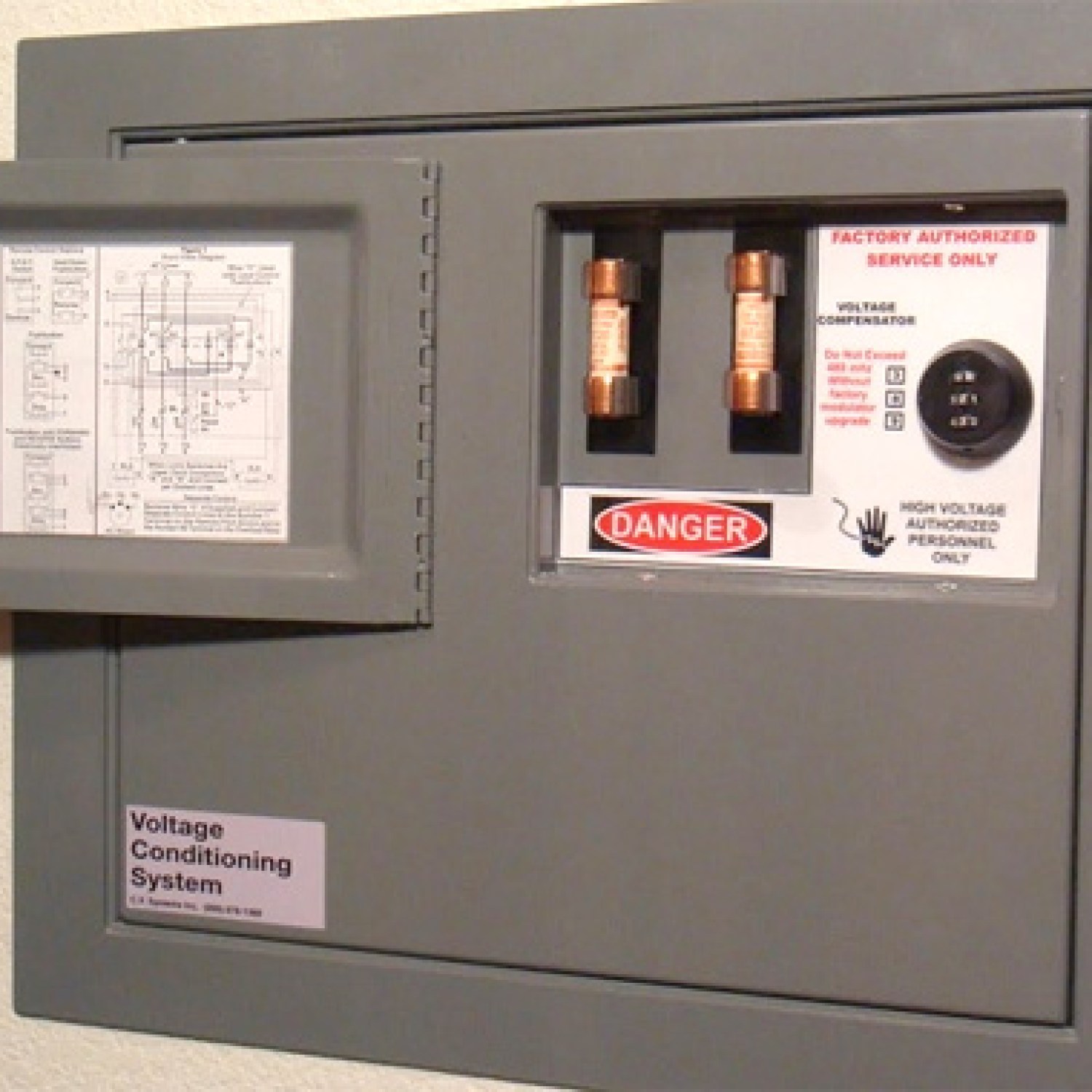
Peace of mind and space-saving: Stash your valuables in a clever hidden safe, so the bad guys will never find them.

Here are the different types, pros and cons, and tips for installing security bars on your home’s windows.
Work with professionals who can assess flood risk and help you decide how much you can tolerate.
Adopt a few of these clever ways to save money at home to find a bit more cash each month.

Recovery cost facts and figures so you can be informed.

Turns out a tidy yard and clean gutters do way more than just look nice.
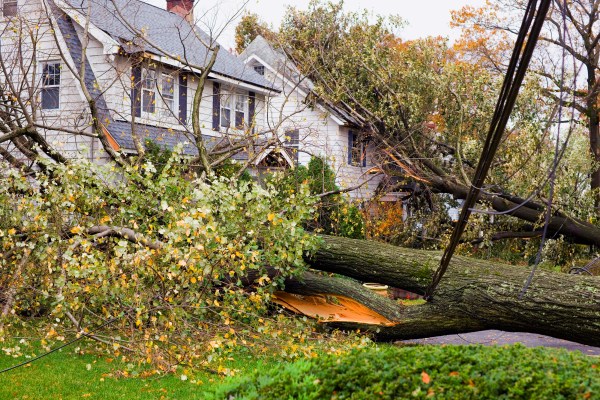
Like what to do when a tree falls.
Like telling your lights to turn on and off when you’re miles away.


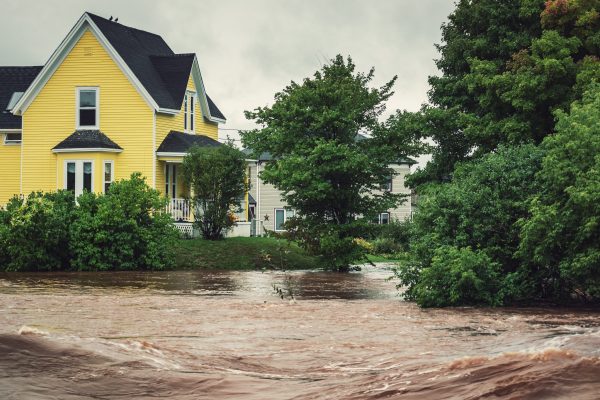
Freaky weather happens. Here’s how to protect your home when severe storms strike.
All it takes is for one ember to fall on your roof. Don’t let it happen.
Homeowners can better guard against liability claims by knowing what’s covered by umbrella insurance and what isn’t.