
They’re not essential landscaping elements, but these three upgrades add an appealing touch to your grounds – whether you have a back 40 or a small patch of heaven.
Even better, each one is a totally doable DIY project.
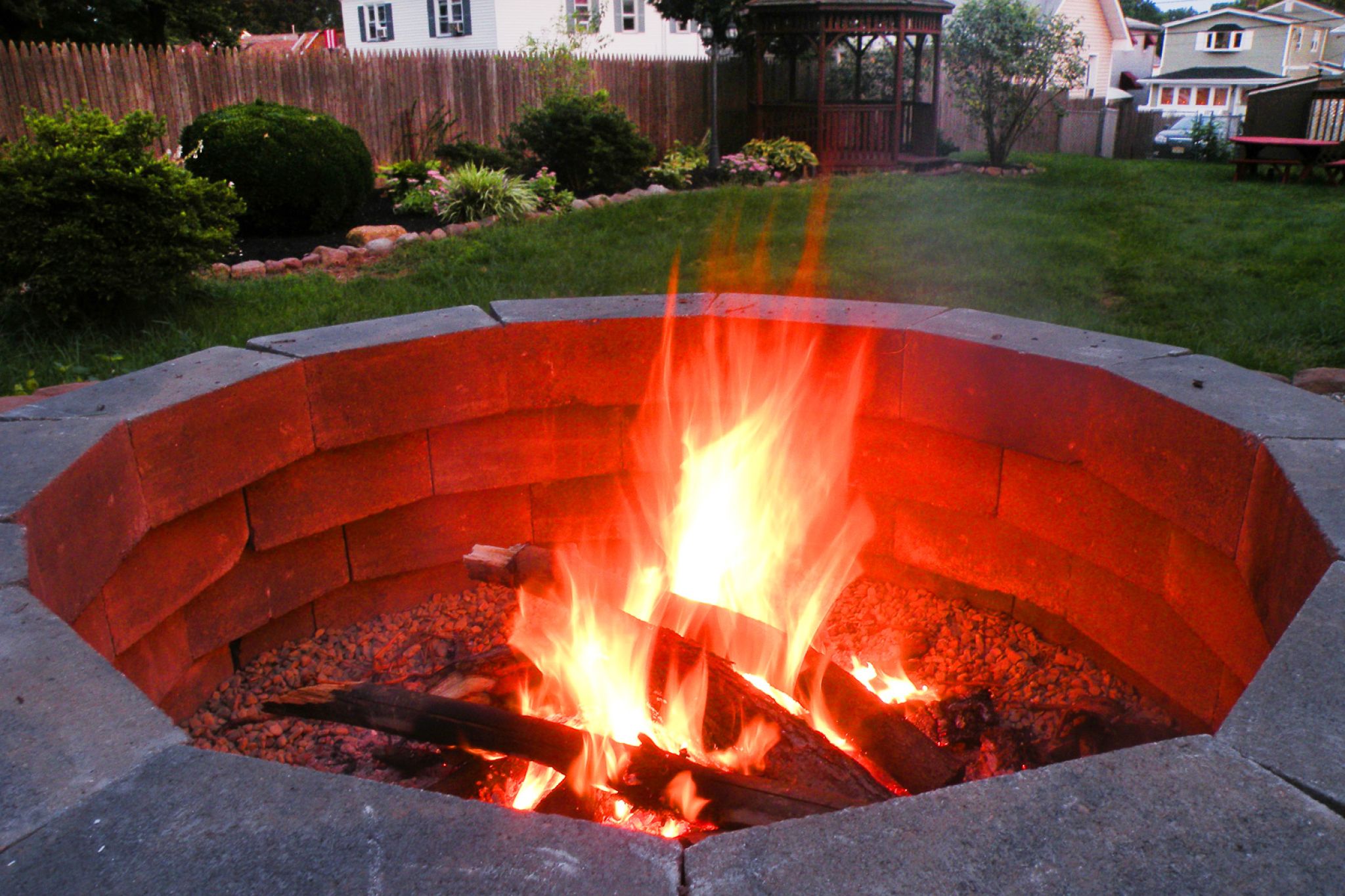
#1 Build a Fire Pit for Super Cheap
You’ll be roasting s’mores in no time with this quick and easy-to-build fire pit created by Annie at "Stowed Stuff." Even better, you can justify the cost. That’s because a fire pit will almost always recoup most of its cost when you sell. Here’s what the “Remodeling Impact Report” from the National Association of REALTORS® says:
| Fire Pit Median Cost | Recoup in $ | Recoup in % |
| $6,000 | $4,000 | 67% |
That $6,000 cost is to professionally install a fire pit with a gas burner, so imagine how much you’d save if you DIYed it and opted for a traditional fire instead of gas-driven? Cha-ching!
Just know that fire pits, like barbecue grills, can be very dangerous, so follow Annie’s lead and don’t build close to your house or trees.


The basic steps:
- Use a kiddie pool as a stand-in to scope out the perfect spot.
- Dig a shallow circle, removing any turf.
- Layer it with gravel.
- Cover it with sand.
- Layer large stones on the perimeter, staggering the joints to create the fire pit’s wall.
See her step-by-step tutorial.
Also, Annie says: Don’t use river rocks. Wet rocks can contain pockets of water. When heated, the water turns to steam causing the rocks to expand and — just possibly — explode.
#2 Create a Calming Water Feature
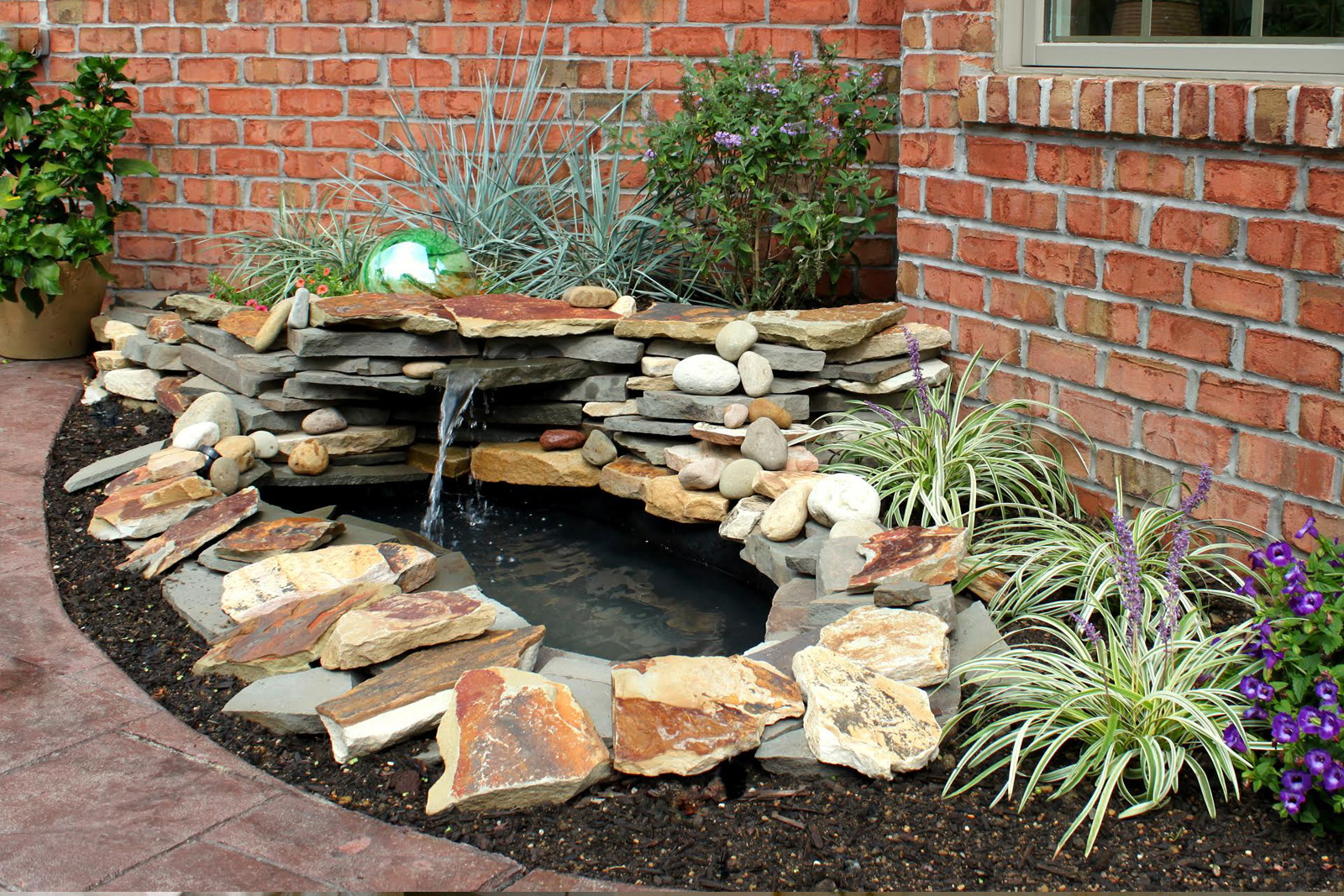

What’s almost as nice as the calming gurgle of running water? The fact that you only need a day to create this lovely stone pond.
Susan Boroch, the blogger behind "Oh My! Creative," created this water feature for under $450, besting the $4,000 to $5,000 estimates she got from the pros!
Her costs and materials:
- Stone: $117
- Pond Supplies: $190 (including: pump, tubing, 50-gallon plastic form)
- Plants: $134.50
Most of Susan’s time was spent placing the stones around the pond. She built the feature three times until she got the rocks and tubing for the waterfall just right. Afterward, she added decorative grasses as a finishing touch.
#3 Put Up a Privacy Fence


We might not have much digital privacy anymore – thanks Internet, GPS, social media — but we can certainly create a retreat at home with a fence. Sean of "Camp 1899" did just that, building a sturdy and sensible wood fence that will acquire a neat rustic look as it ages.
To make it, Sean had to first remove what was there originally, a dilapidated chain link fence cemented into the ground. It took a jackhammer and a lot of muscle to get the job done.
Afterward, he was able to anchor new posts and add the fence slats.