Weather-wise, 2011 was a year for the record books with significant hurricane, wildfire, tornado, flood, and earthquake events, according to a natural hazard risk summary study from CoreLogic.
Disaster readiness plans were put to the test in many cities, as unexpected weather events like the Virginia and Oklahoma Coast earthquakes caused severe damage.
Among the study’s key findings:
Hurricanes
2011 was the most expensive hurricane season for the U.S. since 2008.
Though only three named Atlantic storms made landfall, Hurricane Irene, Tropical Storm Lee, and Tropical Storm Don, they caused at least $8 billion in damages, primarily from flooding.
Tornadoes
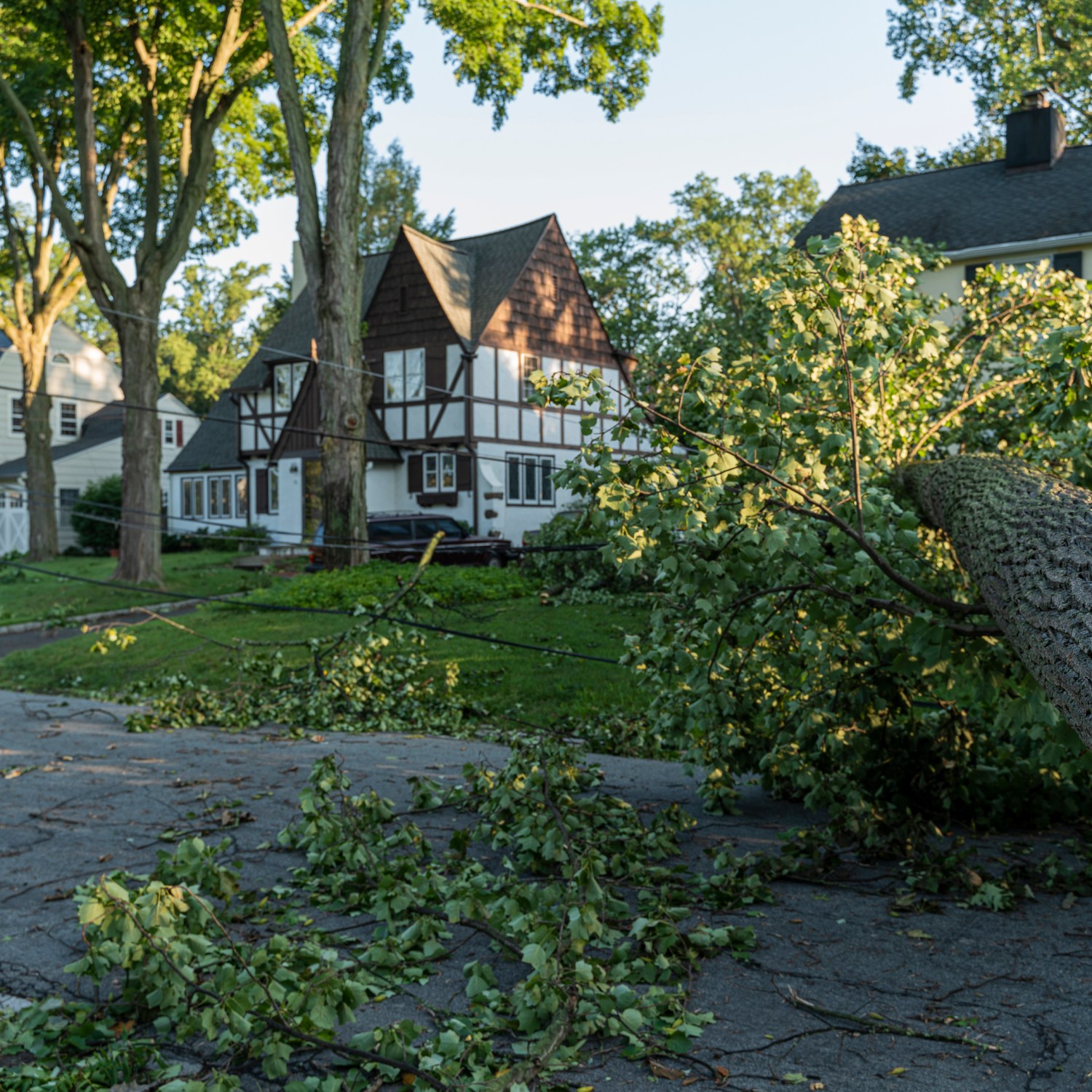
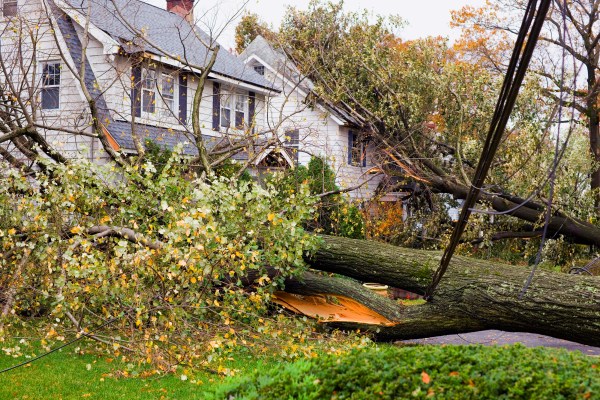
The 2011 tornado season was the third most active since 1980, with 1,559 storms to date.
The “2011 Super Outbreak” that occurred between April 25 and April 28 was the largest tornado outbreak ever recorded, with 336 confirmed tornadoes spread across the South, Midwest, and Northeast.
Home owners insurance companies are reevaluating risk for tornado damage well beyond the traditional geographic focus on “tornado alley” and adjacent areas.
Wildfires
While the 2011 wildfire season had fewer but larger wildfires, there was a significant geographic shift in home losses over the past year from California, which had a cooler and wetter-than-average fire season, to the drought-affected states of Texas, New Mexico, and Oklahoma.
In May, the largest fire in Arizona history, the Wallow fire, forced thousands of resident evacuations and burned more than 469,000 acres.
Texas and Oklahoma experienced a record number of wildfires. The Bastrop fire in Texas alone resulted in more than 1,600 homes and structures destroyed and 34,000 acres burned.
Wildfire trends indicate that wildfire activity often follows a cyclical pattern of increase and decrease due to changing seasonal weather patterns. Based on this, parts of California are expected to see a dramatic increase in wildfire acreage next year.
Persistent and intensifying drought conditions forecast for a large section of the U.S. for the coming year may intensify and spread wildfire activity in early 2012.
Earthquakes
The non-western U.S. earthquakes in Virginia and Oklahoma startled many residents who believed earthquakes to be strictly a far western U.S. phenomenon.
A 5.8 magnitude earthquake hit central Virginia on August 23, and was felt throughout the eastern seaboard. The tremors damaged the National Cathedral and the Washington Monument.
In early November, Oklahoma experienced a series of low magnitude earthquakes, with a quake on November 5 registering a 5.6 magnitude, the strongest ever recorded in the state.
Flooding
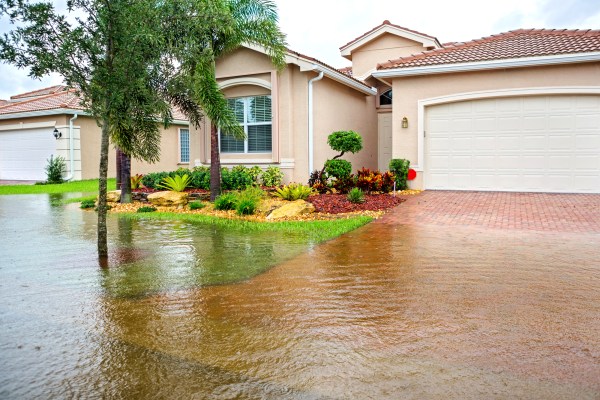
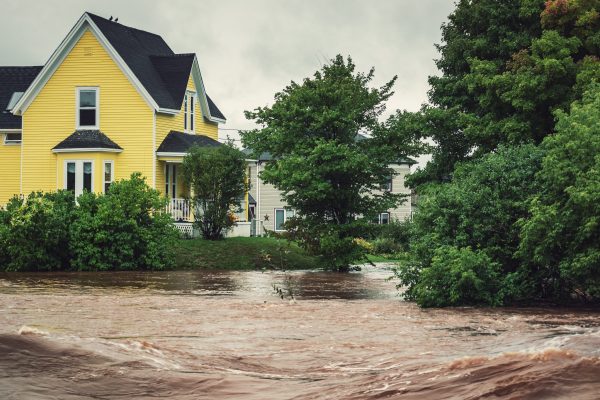
CoreLogic estimates flood losses in the U.S. this year at approximately $10.67 billion.
The melting of an above-average snowpack across the northern Rocky Mountains, combined with abnormally high precipitation, caused the Missouri and Souris rivers to swell beyond their banks across the upper Midwest.
Record-breaking rainfall in the Ohio valley in the spring and summer, combined with melting snowpack, resulted in historical flooding along the Mississippi River and its tributaries.
The floods of 2011 heightened awareness of flood risk outside of the FEMA 100-year flood zones. Based on the trend pattern, 2012 should not be an extreme flood year — in fact, there should be several more years before the next extreme flood loss year. U.S. flood loss in 2012 is projected at approximately $3.53 billion.
Source: CoreLogic
7 Extravagant Home Improvements You Wish You Had
7 Storage Solutions You Didn't Know You Had
Home Maintenance Tasks: When to DIY and When to Hire a Pro
How to Care for Your Washer & Dryer
Winter Gardening: Plants that Provide Beauty All Year Round
Property Line Disputes: Peaceful Ways to Settle Boundary Issues
10 Tips for Saving Energy in the Kitchen
7 Ways to Be a Better Recycler
Make A Home Emergency Preparedness Kit
Home Security Cameras: Peace of Mind While You’re Away
Appeal Your Property Tax Bill


Be The First To Comment