How to Cool a Room Without AC
In Save on UtilitiesWant summer comfort but hate the AC? Follow these tips on how to keep your house cool without frosty air conditioning.
Want summer comfort but hate the AC? Follow these tips on how to keep your house cool without frosty air conditioning.

Stop sending so much money to your utility company with these simple strategies.
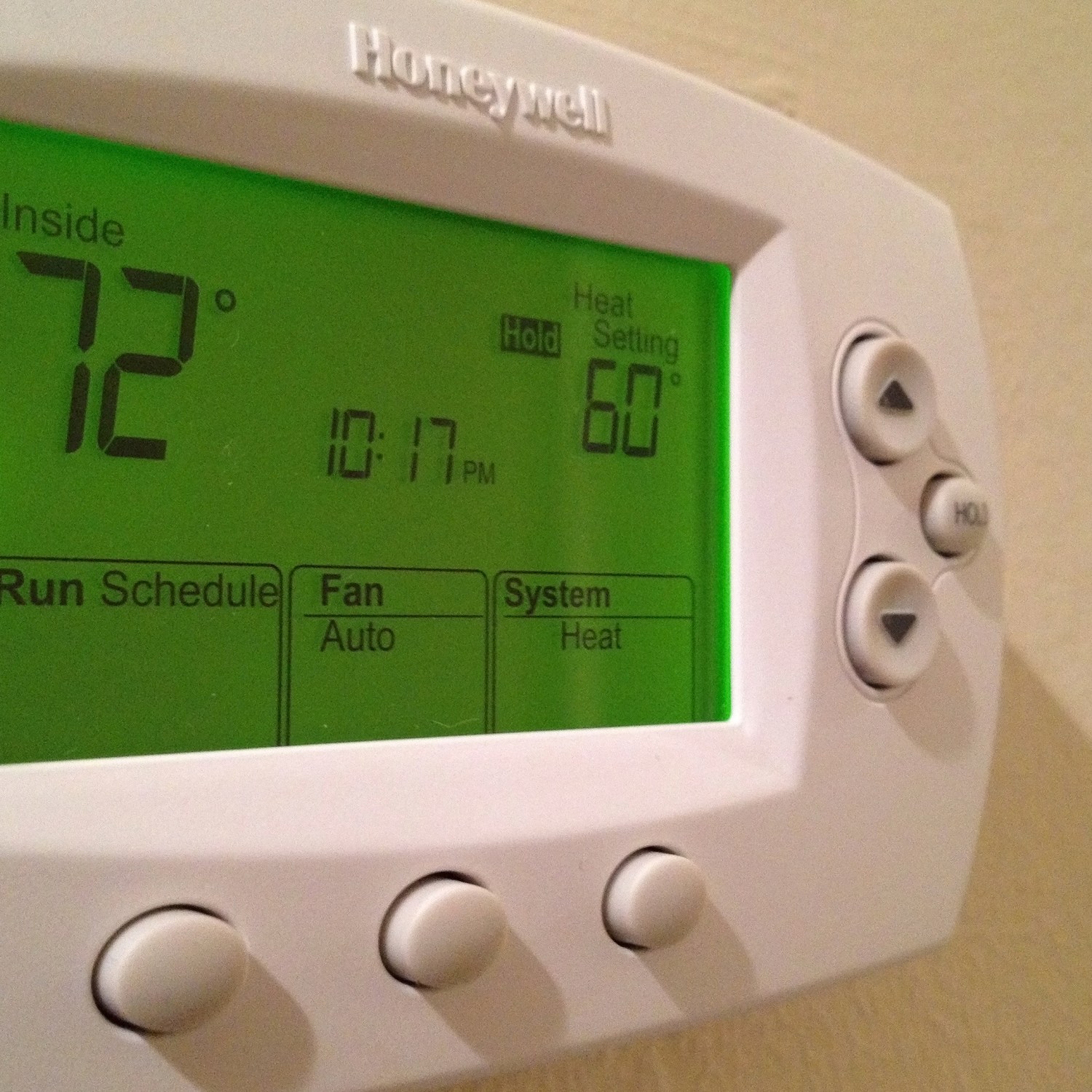
Before you get started, you’ll need to pick a programmable thermostat you’ll actually use. Here’s how.
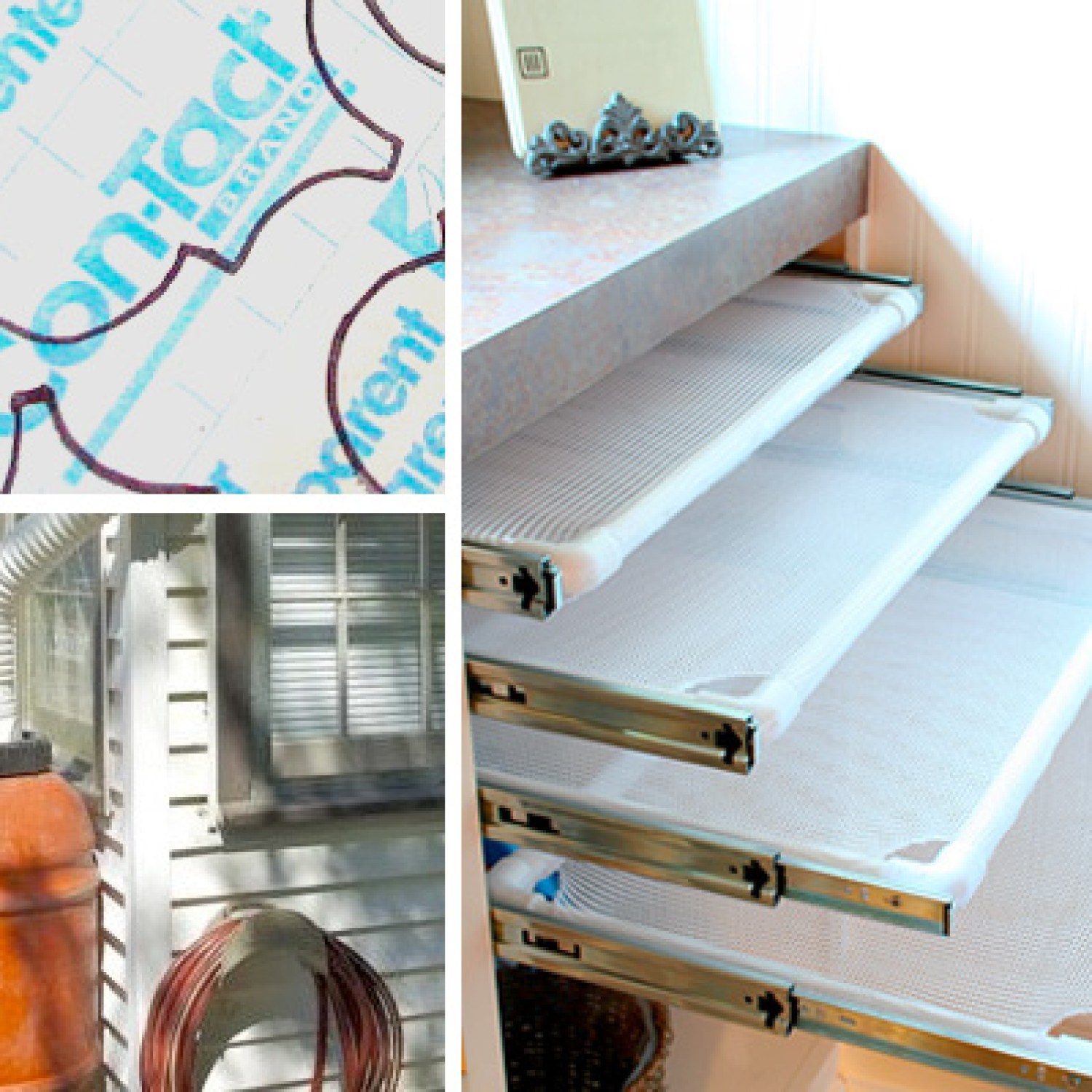
A super-cool laundry-drying rack and 3 more projects take your energy-saving efforts to the next level.
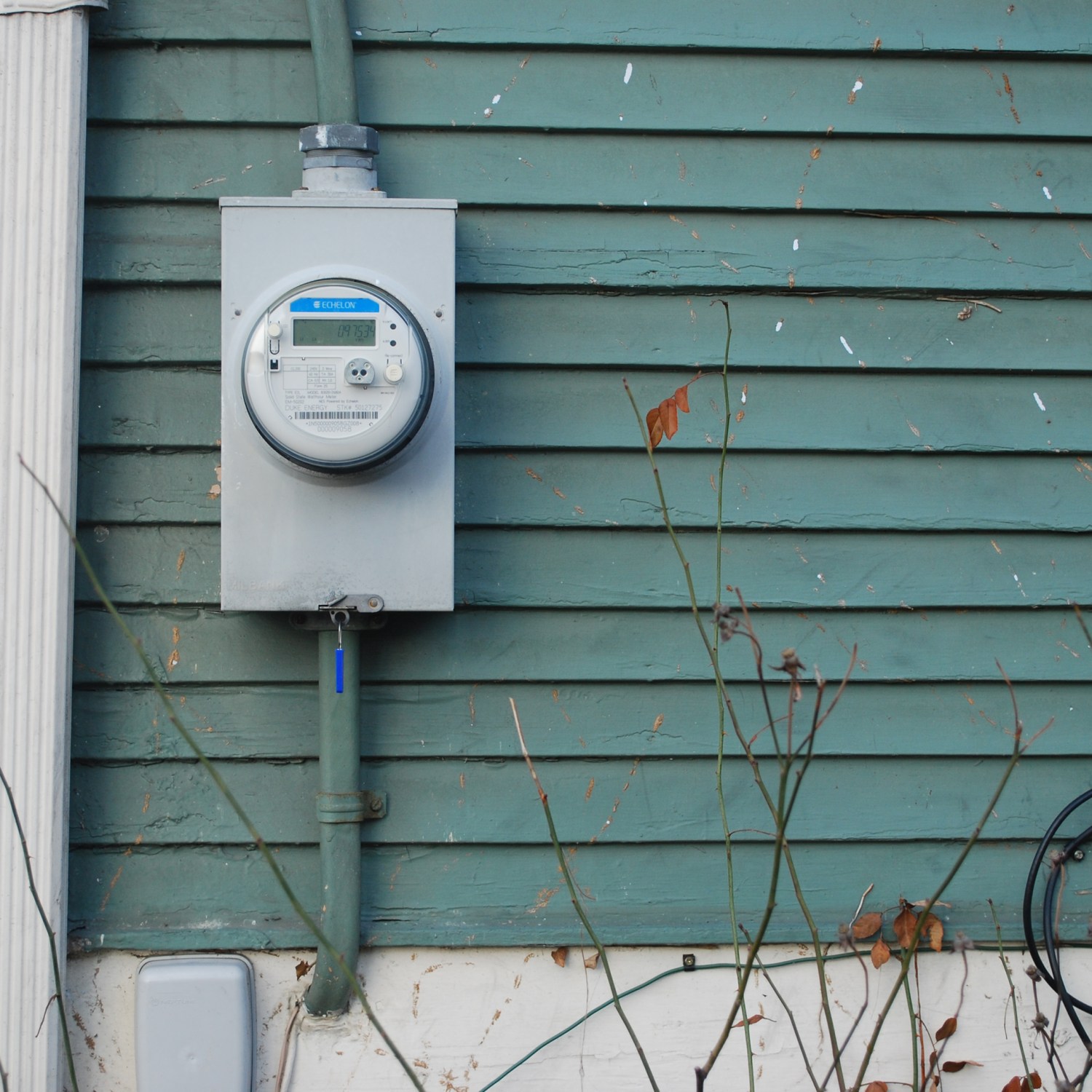
Don’t do it for more reliable service. It won’t improve.
Before you power up a central air upgrade, explore the costs.
Low flow toilets may be a not-so-glam upgrade — but they can pay off in other ways.
Adopt a few of these clever ways to save money at home to find a bit more cash each month.

And they have nothing to do with the environment, either.

Simple things you can do, like flipping a switch on your ceiling fan (the wrong direction will make your room colder)!

Like stuffing your fridge (really!)


Want summer comfort but hate the AC? Follow these tips on how to keep your house cool without frosty air conditioning.

Like turning down the heat when you crank up the oven.

Before you get started, you’ll need to pick a programmable thermostat you’ll actually use. Here’s how.