
The Everything Guide to Selling Your First Home
In Sell a Home: Step-by-StepHow to figure out exactly what you want, and how to work with the experts who’ll help you get it.

Time to sell your home? There’s a lot to do. Here’s the help you need each step of the way.
How to figure out exactly what you want, and how to work with the experts who’ll help you get it.

Close the chapter (lovingly) on your old home with the right support system.
Selling your home is hard. And emotional. You need an impartial guide to keep you on course.

There are a lot of home pricing resources out there, and some are far better than others.

Your guide to hiring the listing agent who can set you up for success.
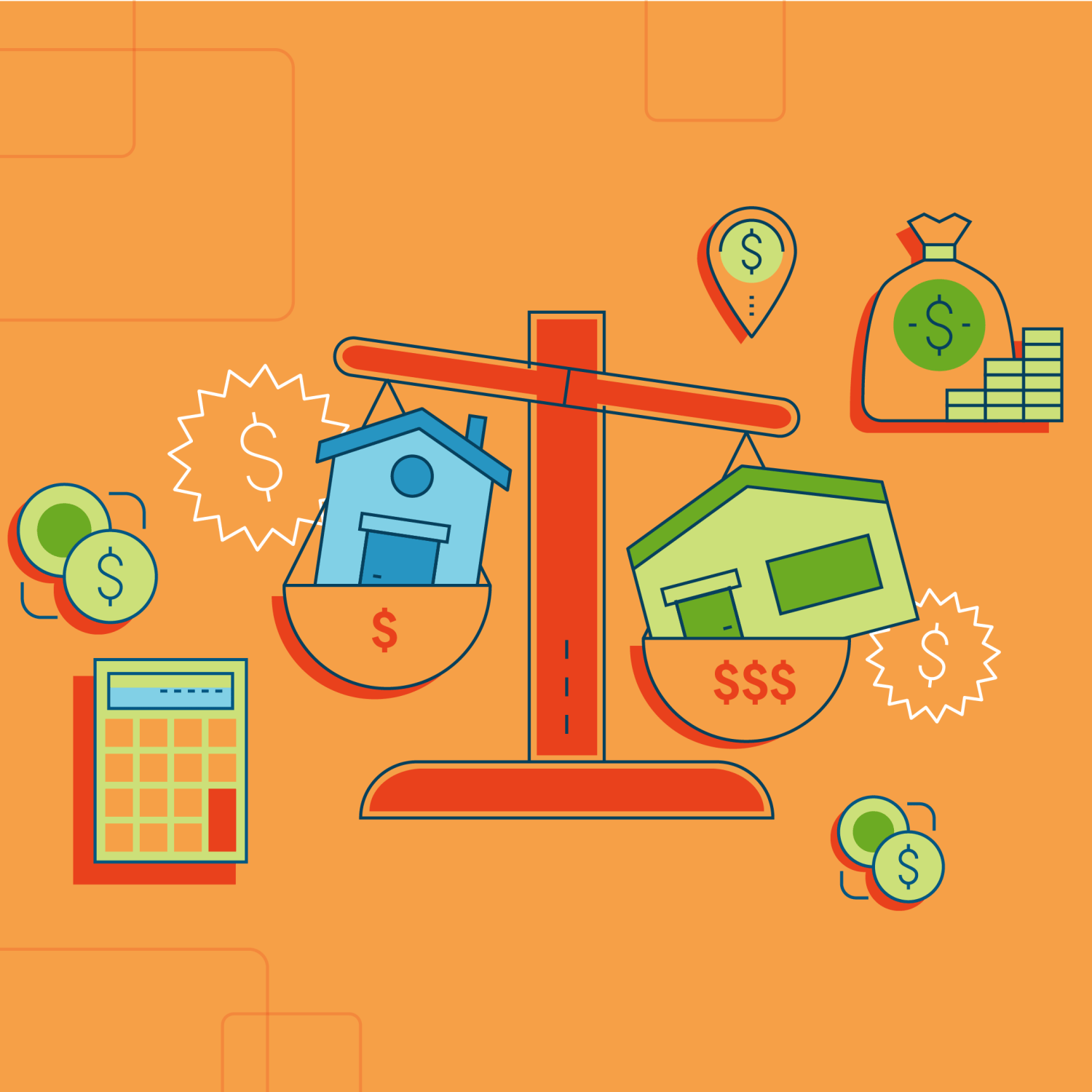
It’s a big decision with a lot of factors, but don’t worry — you have backup.
Strangers will be judging your home (talk about anxiety!). Staging will help — a lot.

With these tips and tricks, your house will be swoon-worthy in no time.

Here’s what you can do to get your home ready for its big reveal.
Someone wants your house! But is it a good offer? Your agent will help you negotiate.

It’s not always about the money (except when it is).

What you need to know to get the best deal for you.
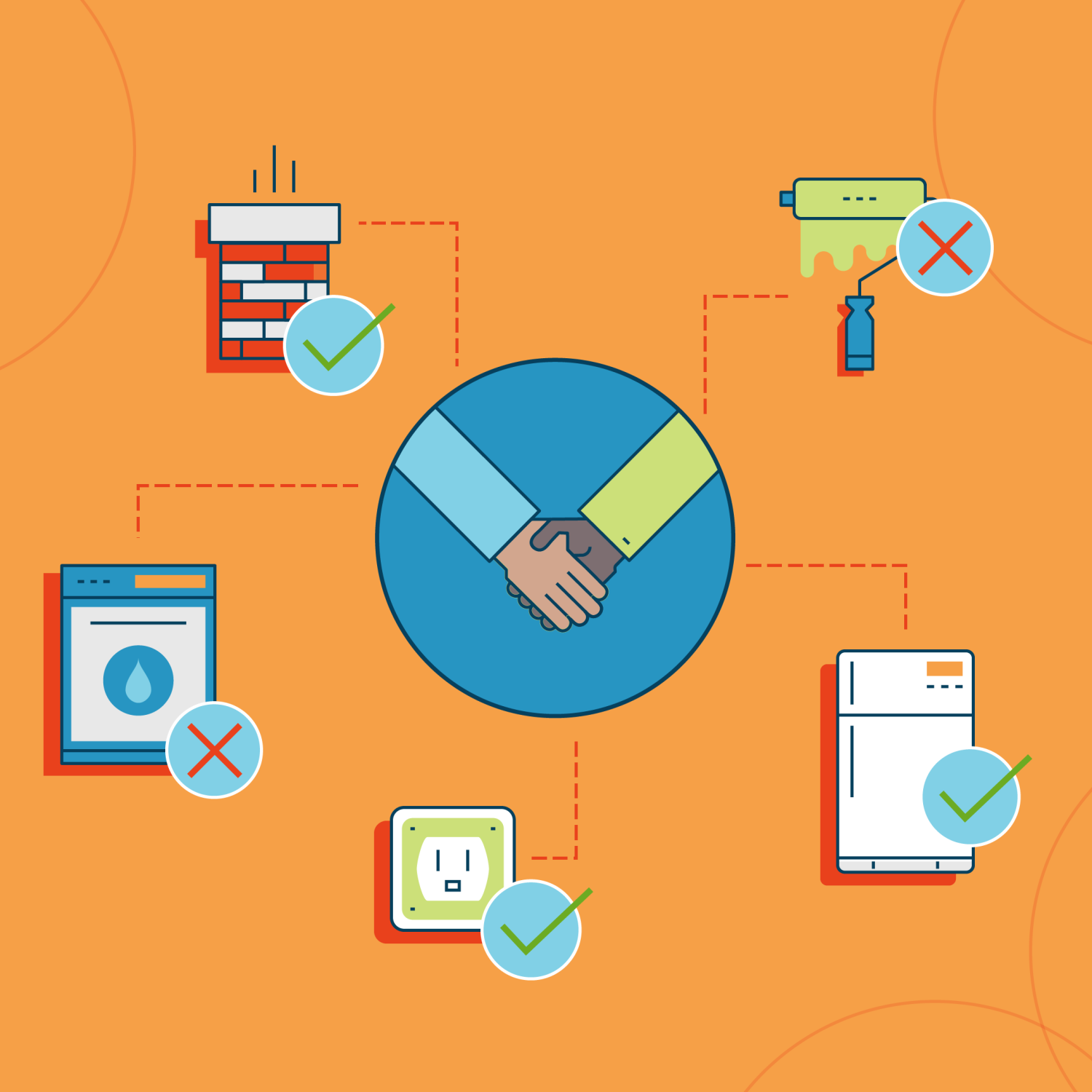
Passing the inspection advances you to the next level: closing the deal on your house.
Almost done! Just make sure your home’s in top-notch shape 24 hours ahead of closing.
Walk-throughs, closing costs, and other items to check off your list before the big finish!
Buying a home is complicated. Follow this complete guide to get the right advice each step of the way.
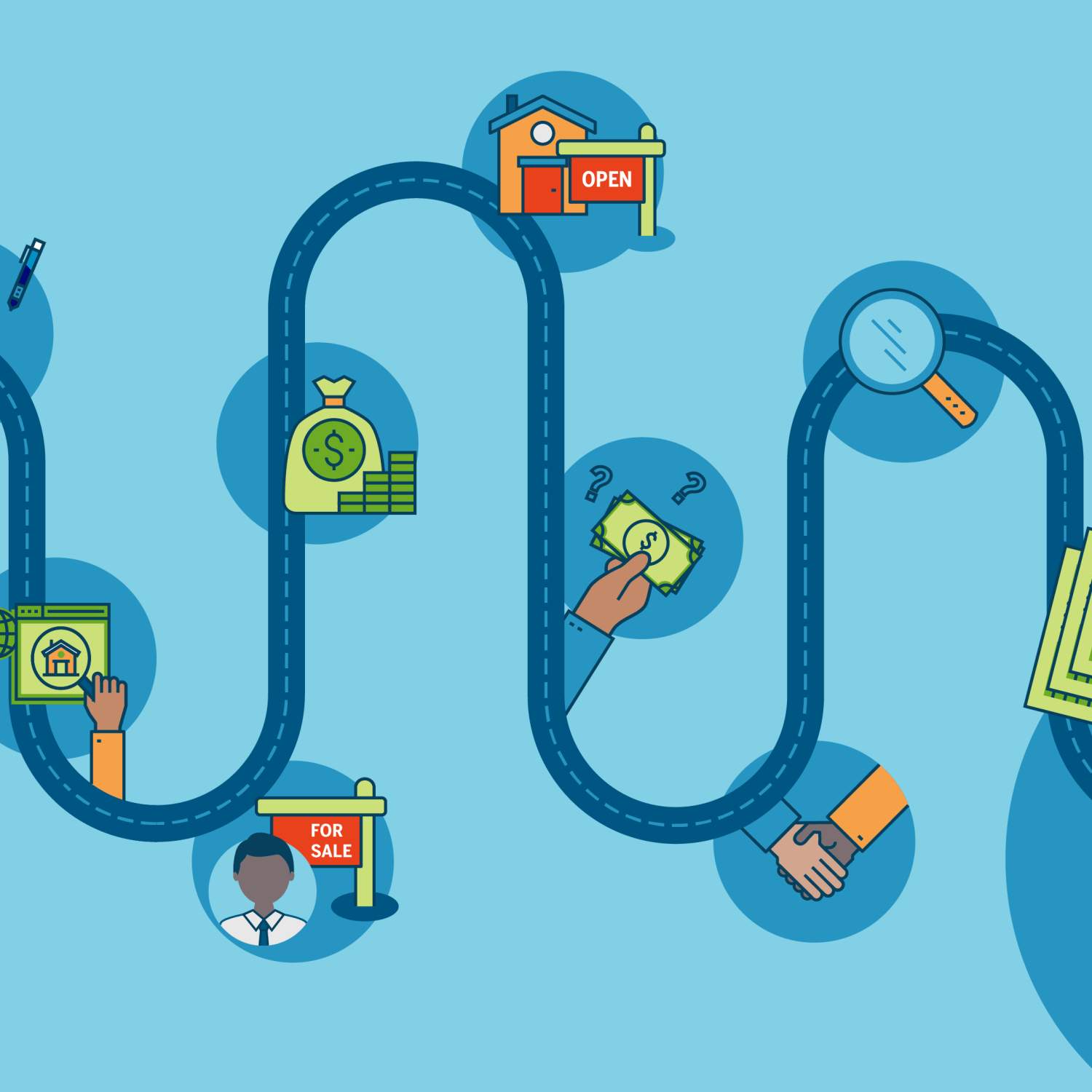
How to find exactly what you want, and how to work with the experts who’ll help you get it.

Smooth the road to your new home with the right support system.

Your questions answered: four Q&As on Facebook with real estate experts.
Emotions run high when house-hunting. You need an agent you trust to keep you sane.

It’s fun! It’s exciting! It’s important to take everything with a grain of salt!

A great real estate agent is like an Oprah for living your best real estate life.
Getting smart — about what to do, ask, and avoid — can move you ahead of the crowd.
Your questions answered: four Q&As on Facebook with real estate experts.
Costly mistakes happen during this step. Be super-picky about who your lender is.
With this super-simple breakdown of loan types, you’ll find the right mortgage.

Someone out there wants to help save you time, stress, and money. Here’s how you find them.
Your questions answered: four Q&As on Facebook with real estate experts.
This is the pins-and-needles stage. It’s when your agent can help the most.

These 10 money- and time-saving steps can help you craft a winning bid.

You and your agent are going to use everything you’ve learned to seal the deal.

From finding an inspector to dealing with surprises — this is your guide to getting a house checked out.

What to expect, when to negotiate, and how to deal when things don’t go your way.
Your questions answered: four Q&As on Facebook with real estate experts.
Things are getting real! Look to your lender to guide you through the paperwork.

Sign that paperwork. Write those checks. Get those keys!
Buying a fixer-upper home can be a gamble; here are ways to come out on top.

Apply new-construction tips from a homeowner who has experienced the process three times — and knows the ropes.
Interest rates are only one factor when it comes to buying a house now.

You’ve got options, like repayment help from your employer and coaching from a mortgage broker.

Home technology smarts are the new area for real estate bragging rights.

Think twice before you write or receive a home love letter.

You can make a successful offer on a home even in a competitive market — with the right information and help.

Home buyers who do mortgage loan shopping can avoid leaving money on the table.

Even in a seller’s market, home sales depend on certain factors that may require you to be flexible.

Virtual steps in home buying can save time, but learn how to get the whole picture.