
You can just picture it: a pretty cottage garden overflowing your front yard, with tons of heavy, scented blooms.
Well, at least you can picture it with your eyes closed. With your eyes open all you see is a bit of patchy grass and a few scrubby shrubs. Yuck.
You need some color, stat.
That desire, though, often causes homeowners to waste money and time. Keep disappointment away by avoiding these seven mistakes:
#1 Planting Without a Plan
It's hard to envision your yard 10 — or even five years — from now, but trying it is definitely worth the effort. It's way too easy to under- or overestimate how everything will grow together.
In just a few short years you could have a mess that'll reduce, instead of increase, your home's value.
“I’ve been with clients who won’t even go into a house because of the bad landscaping outside,” says Mack Strickland, a real estate agent and appraiser in Chester, Va.
If the task seems too daunting, landscape architects are worth the investment ($300 to $2,500 depending on yard size). They will lay everything out for you. All you have to do is follow the plan. Kind of like paint-by-numbers. That's easy enough, right?
Related: How to Create a Landscaping Plan on a Budget
#2 Planting Too Close Together
Yes, planting in clusters looks way better than installing single plants, soldier-like, throughout your yard. But make sure your groups of perennials, shrubs, and trees have plenty of room to spread, or they’ll look choked and overgrown.
Also, overcrowded plants compete for food and water, putting the clusters at risk, especially during drought.
Google how high and wide the mature plant will be, and combine that info with the spacing suggestions on planting labels.
They might look a bit sparse at first, but within three years, they'll be looking lush and healthy.
Old-time gardeners have this saying: "First year it sleeps, second it creeps, third it leaps."
#3 Not Finding Out Your Hardiness Zone
Don’t be seduced by catalog plants that look gorgeous before you check your hardiness zone. If you don't know your zone, you can find it here, which will help you pick plants that thrive in your area.
Pick the wrong plant, and it could die prematurely (a waste of funds), need covering in winter, daily watering, or other tasks that'll consume your time, and just make you resentful in the end.
#4 Going Overboard With Your Favorite Plant
You love azaleas. And what colorful blooms in spring! So why not plant a ton of them?
Because you could risk a yard that looks dull, dull, dull in all seasons except for the one when your favorite plant blooms.
It's important to make room for four-season color.
For example, combine your gorgeous spring-blooming azaleas with summer-blooming roses and autumn-blazing shrubs, such as a burning bush (Euonymus alatus).
For winter color, try the red osier dogwood (Cornus stolonifera), a hardy shrub that sports bright-red branches in winter.
Related: 9 Winter Plants that Dazzle Even in Snow
#5 Letting Dead Plants Linger
Nothing wrecks curb appeal faster than rows of dead or dying shrubs and perennials.
Spent plants that lived their natural lives are good candidates for a compost pile. If you grind them first, they’ll decompose faster. But if your landscaping succumbed to disease or infestation, it’s best to put them in black plastic bags and add them to the trash.
#6 Weeds Gone Wild
Weeds not only wreck your landscaping's looks, but they also steal water and food from the plants you'd like to grow. They also can shorten the life of brick, stone, and pavers by growing in mortar cracks.
The best way to stop weeds is to spread a pre-emergent about three weeks before weed seeds typically germinate. If you can’t stop them from growing, at least get rid of weeds before they flower and send a zillion weed seeds throughout your yard.
Related: Can You Spot These Common Weeds?
#7 Forgetting to Defend Against Hungry Intruders
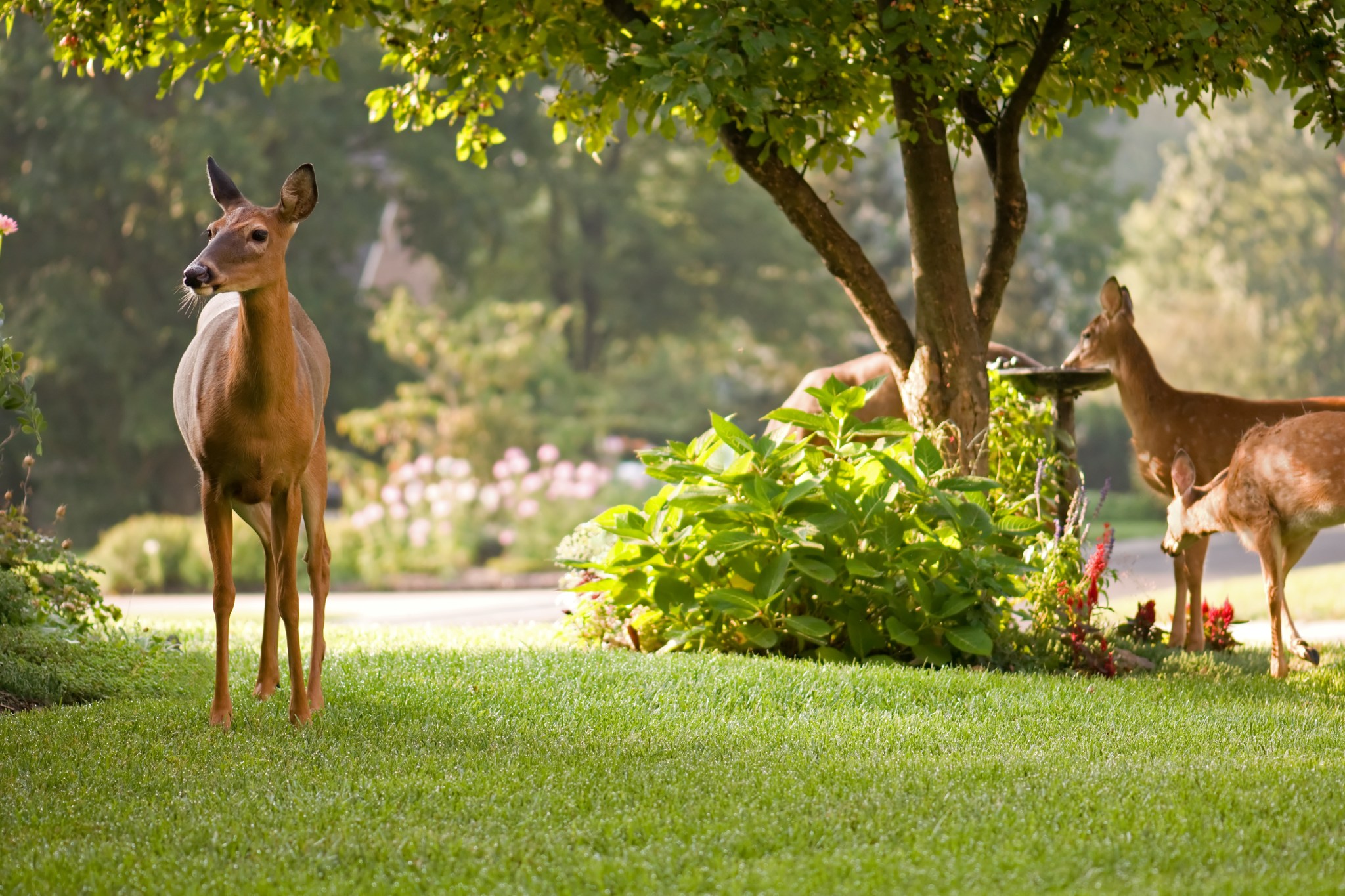
Deer, rabbits, and other backyard pests think your landscaping is an all-you-can eat buffet, leaving you with denuded branches and topless perennials.
If you’ve got a critter problem:
- Plant deer- or rabbit-resistant varieties. Your local extension agent can provide a list of green things critters won’t eat in your area.
- Install an electric fence around landscaping you want to protect.
- Spray plants with critter repellent. After a hard rain, spray again.