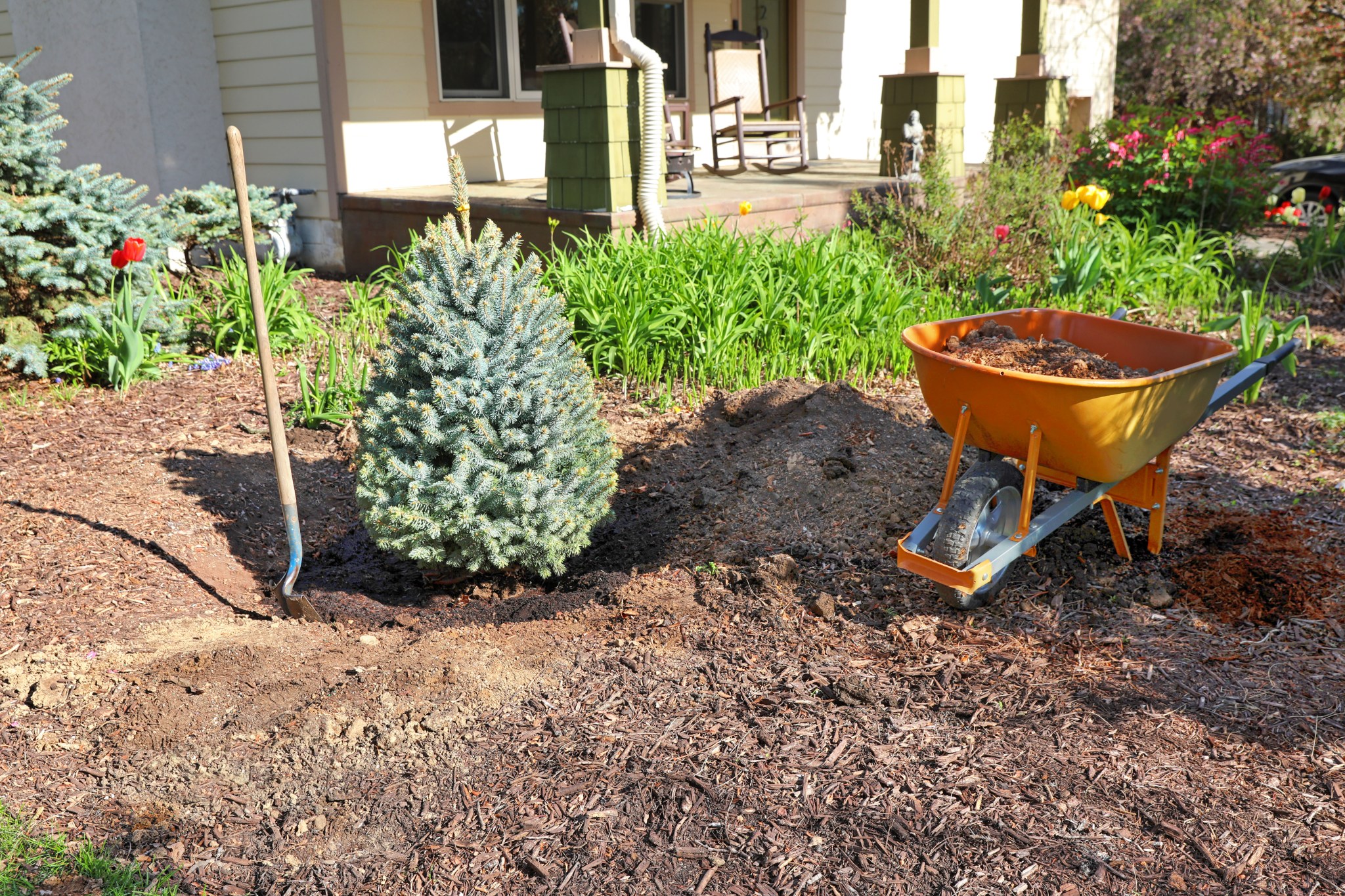

Trees are big-ticket landscape items that not only cost a lot, but add a lot of value to your home, too. Healthy, mature trees add an average of 10% to a property’s value, according to the USDA Forest Service, reported by the Arbor Day Foundation.
So, it's important to plant trees when they're most likely to survive.
When's the Best Time to Plant Trees?
Here's the short answer: Plant trees when they have enough time to establish roots before they're exposed to stressors like high heat, low temperatures, or not enough water.
Nicholas Staddon, director of the new plants program at Monrovia Growers in California, says late summer/early fall is the best time to plant in most parts of the U.S. — Zones 4 to 8. Homeowners can use the USDA Plant Hardiness Zone Map to find out which zone they’re in. Zones are based on which trees and plants are most likely to thrive when planted in specific locations.


"During the winter months in many parts of the U.S., roots are still active," Staddon says. "The tree starts to acclimatize itself to your soil. So in the spring, it bursts forth with leaves and flowers."
Of course, trees have different needs, and areas have different climates. So, here's breakdown of the best planting times according to climates and types of trees.
When to Plant Trees in Cold Climates
The window of opportunity to plant trees in colder climates — Zones 1 to 3 — is relatively short. You can't dig until the ground has warmed, and you have only a few months to plant before the ground freezes again.
Early spring, just as the ground thaws, is the best time plant. Fall can be too late, because trees won't be able to survive the freezing temperatures that can damage roots and stop moisture from reaching the tree.
When to Plant Trees in Warm Climates
Fall's the best time to plant in the deep South — Zones 9 and 10.
- After the first frosts, trees become dormant and require less food through young roots.
- Tree carbohydrates can go directly toward root growth, rather than canopy growth.
- Mild winters give trees enough growing time to establish root systems that will survive in hot summers.
Make sure you keep young trees well-watered through dry winters.
Types of Trees and When to Plant Them
Bare root trees: These trees are dug from the ground when they are dormant, stored in some moist medium, then shipped bare of soil. Because these roots are naked, plant these trees in spring when they won't suffer winter injuries. But more important, plant them when you get them; the trick is to order correctly so they'll arrive when they have the best chance to survive.
Container trees: These trees have been grown in pots or burlap wrapping, and their roots are covered in soil. They're not as delicate as bare root trees, so timing isn't quite as important. Plant whenever your tree will have a couple of months to establish roots before extreme temperatures — hot or cold — will stress it.
Deciduous trees: Deciduous trees make the decision easy, because they tell you when they're going dormant by dropping their leaves. Plant in fall, and keep them well-watered even through winter.
Evergreens: Plant these in early fall or late spring — just about any time that doesn't see extreme heat.
Conifers: These cone-bearing trees are particularly susceptible to cold weather because their needles lose moisture all winter even though the tree is sleeping. If you live in a climate where frozen soil prevents water from getting to conifer roots, plant in spring.
Transplants: Transplant trees in spring after the ground has warmed and before the tree sets buds, or in fall after leaves have fallen and before the ground freezes. Younger trees will endure transplanting better than mature trees, which don't like the shock.
Related: Best Trees To Grow Curb Appeal