NAR Dashboard

Not a member yet? No problem. Sign Up or Learn More

Our Mission.

You care about your home. The NATIONAL ASSOCIATION OF REALTORS® cares about homeownership. To help you become the best, most responsible homeowner you aspire to be, we want to provide you with free information and tools you can use to make smart and timely decisions about your home.

From time to time, we may reach out to you to help us support legislation and/or policies that may have an impact on you, the homeowner. You can choose to join our cause. Or you can choose not to. Regardless, your privacy is safe with us.

We'll never share or sell your email address or other personal information you may provide us in the course of using the site with anyone without your explicit consent.

Save Money By Growing Fruit Trees

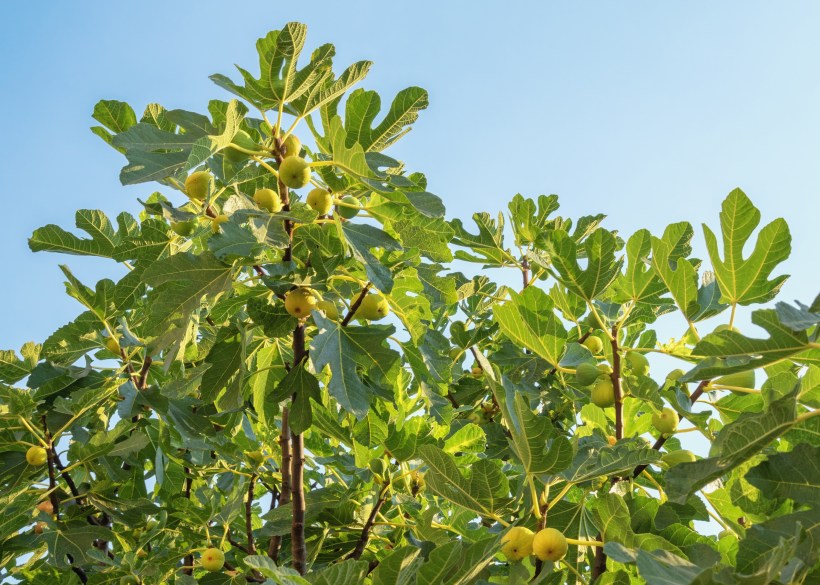
Money really can grow on trees! Cut your grocery bill while improving your landscape by planting and growing a fruit tree.

Added to Binder

Investing in a fruit tree is a win-win-win-win proposition. You’ll save money on your grocery bill; you’ll improve the health of your family by assuring an ample supply of healthy produce (which you can grow organically if you want); you’ll enhance your landscape with a pretty spring-flowering tree; and you’ll have the satisfaction of growing your own food. As a bonus, the whole family will learn a delicious lesson about nature and gardening.

“With fruit trees, the return you get on your input is quite a bit,” says Ron Perry, a Michigan State University professor of horticulture who specializes in fruit trees.

Your investment is minimal; figure $20 to $30 for a young tree and perhaps an hour to plant it. From that point, you’ll also need patience. Most fruit trees take three years to start bearing, and up to five years to bear fully.

There are basically three types of trees. Full-sized fruit trees grow to be 30 feet tall and produce an overwhelming amount of fruit at maturity. For home gardens, semi-dwarf and dwarf trees are a better choice and are easier to harvest. Plan on harvesting in late summer through fall.

Semi-dwarf trees grow 12 to 15 feet tall and will produce hundreds of fruits. Dwarf trees grow 8 to 10 feet tall and produce perhaps a bushel or so of fruit, depending on the type and year.

How much will you save?

How much money you’ll save by planting a fruit tree varies, depending on what you plant, the size of the tree, and your food buying and eating habits. Note that fruit trees tend to produce more heavily every other year.

On average, a single semi-dwarf apple tree may produce 40 or more pounds of fruit each year. With prices of apples ranging from 60 cents to $3.50 per pound, your tree might easily produce $80 worth of fruit. That reduces the annual amount a family of four spends on produce by 5% to 10%.

Plan on refrigerating some produce to keep it weeks longer. You’ll see even more savings by freezing, canning, making preserves, or drying fruit (a dehydrator costs about $60). This can shave another few dollars a week off your grocery bill and provide you with plenty of nutritious food to eat all year long.

Picking the right tree for your region

Choose fruit trees that are easy to grow in your region and which you and your family will be happy to eat.

Apples, pears, cherries and plums are among the best choices for home gardens, says Perry, because as long as you choose disease-resistant types, they require little spraying or fuss that commercial growers lavish on their trees to assure the biggest, most perfect, store ready fruits.

You can find a disease-resistant variety of fruit tree that will do well in your area by contacting your government-funded local cooperative extension service. Or, find out even faster by Googling the following four words together: “Recommended,” the type of fruit (such as “apple”), “trees,” and the name of your state, such as “Illinois.”

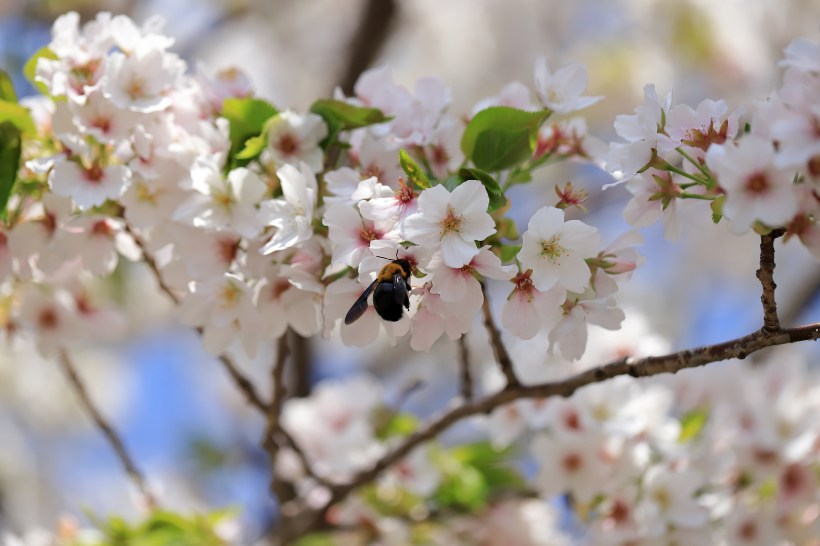
Some fruit trees need a second tree for cross-pollination by bees in order to produce fruit. Check the plant label or catalog description to be sure.

Here are some tips for growing the best fruit trees for home gardens:

Apples: Most varieties need a second tree for cross-pollination. Disease-resistant varieties are Freedom and Liberty. Increase savings by making apple butter, applesauce, and drying. Apple trees do well in Zones 3 through 9.

Pears: These often need a second tree for cross-pollination. Delicious, Harrow Delight, and Moonglow are particularly resistant to disease. Increase savings by canning and making pear butter. Pear trees do well in Zones 4 through 9.

Cherries: Sour cherries do not need a cross-pollinator tree nearby. They are excellent for pies and baking, and all sour cherry trees are highly disease- and pest-resistant. Sour cherries do well in Zones 4 through 8.

Most sweet cherries need a cross-pollinating tree. They’re excellent for eating fresh. Freeze extra cherries for even more savings. They do well in Zones 5 through 8.

Plums: Japanese and American plums always need a cross-pollinator; European types usually do. European types, such as Damson, are the most disease- and pest-resistant. Make plum jam or dry plums for even more savings. Plum trees do well in Zones 4 through 9.

Peaches: Most peaches do not need a cross-pollinator. You need to be diligent about spraying if you want large, blemish-free fruits. Can peaches, make jam, or freeze peaches for more savings. Peach trees do well in Zones 6 through 9.

Growing fruit trees

The main requirement for a fruit tree is full sun—at least 8 hours of direct, unfiltered light a day.

Space is also important. Allow as much space between trees and other plantings as the tree will be at mature height. Space full-size fruit trees 30 feet apart; plan 15 feet between semi-dwarf trees and 10 feet between dwarf trees.

Plant fruit tree saplings in spring. Planting is easy—simply dig a hole about 12 inches deeper and wider than the root ball of the tree. Work in a shovelful or two of compost, then set the tree in the hole and backfill. Keep well watered for the first few weeks.

Saplings come from the nursery with their roots in containers. Plant the tree so that the trunk is at the same depth it was in the container. If the tree is bare-root, that is, sold in a bag with its roots exposed, plant it so the knobby bud union that joins the trunk with the roots is 1 to 2 inches above soil level.

Prune your fruit trees as directed by the planting instructions that come with the tree. Each spring, minimize disease problems by spraying with an organic horticultural oil (a $10 bottle will last you a few years) diluted in a $25 pump sprayer.

Veronica Lorson Fowler grew up on a farm and has gardened since she was a child. A garden writer for more than 20 years, she has written and edited numerous garden books, and has written hundreds of garden articles for web sites and national magazines. She tends her own highly varied garden, which includes several fruit trees, in Ames, Iowa.

Track Your Progress

Join the discussion

(2)

I'd like to see an article on how to grow fruit trees if you live in an area with deer.

  • July 12, 2010
  • SquareFeet
I Did This!

I know I have a crab apple tree in my yard. I also have 3-4 other fruit trees, but I'm not sure what they are yet!

  • July 28, 2010
  • chirl85 (Completed this on July 28, 2010)

Project To-dos Print Checklist

Save money and eat healthy with fresh fruit from your own yard:

Please select a To-Do
Check All
All Decked Out

Thinking about adding a deck this spring?

Please select a To-Do
Check All